
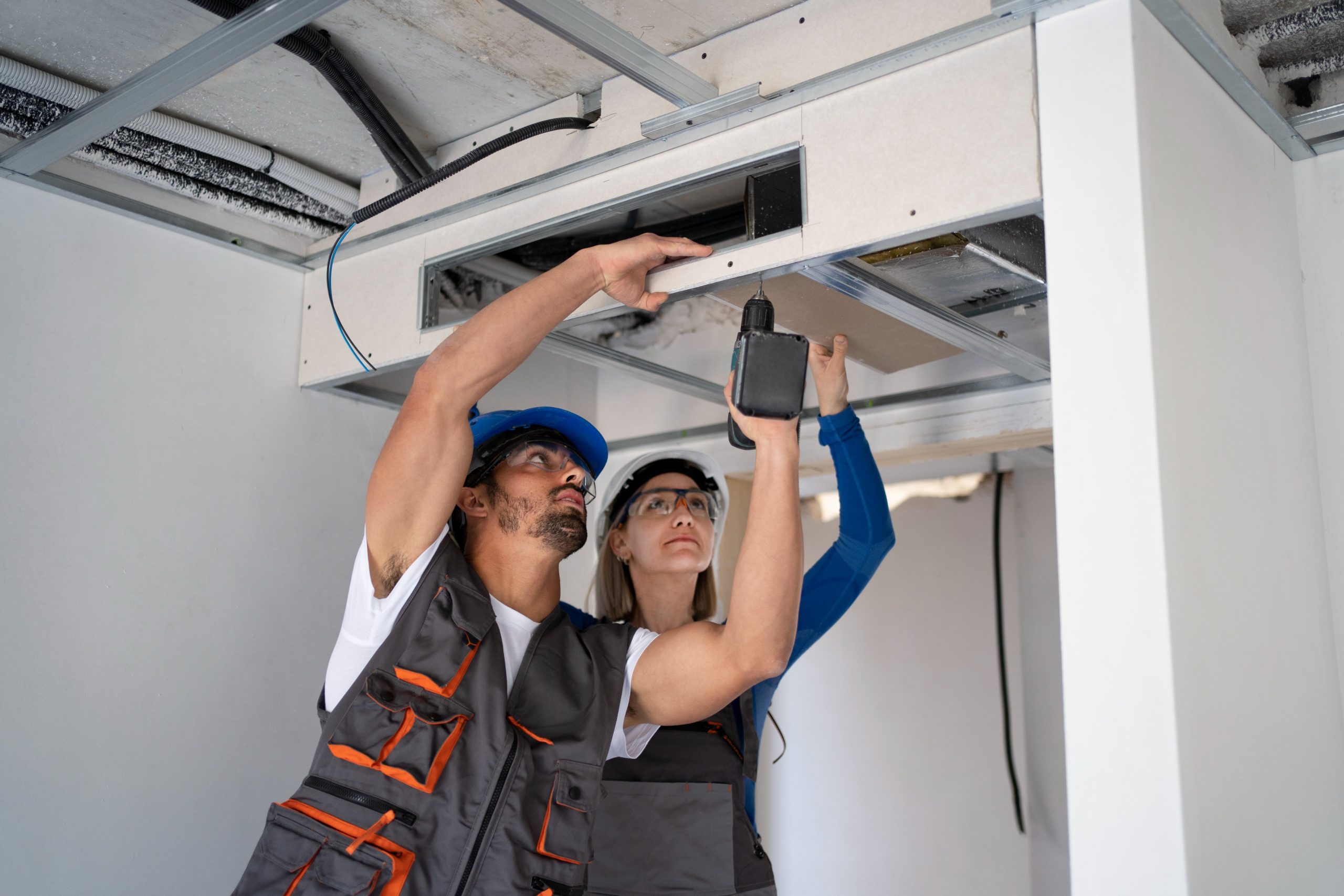
A commercial HVAC system is a significant investment that property managers make for a comfortable environment. Despite its importance, many overlook the need for a proper commercial HVAC installation. That gap creates problems that stay hidden for months or years. Soon, the errors start shouting.
Energy bills creep up. Offices feel uneven in temperature. Equipment runs longer than expected. These signs often point back to one decision made early on. “Commercial HVAC installation.”
Many property owners focus on the unit brand or the upfront price. Installation quality sits further down the checklist. By the time the issues show clearly, repair costs feel unavoidable. To help you not make the same mistake, we have outlined the common pitfalls. Plus, practical advice on how to avoid them.
1) Poor Planning Creates Long-Term Energy Loss
An HVAC system works best when its size matches the building. Be it oversized or undersized systems, both waste energy. Poor load calculations during commercial HVAC installation remain one of the most expensive mistakes in commercial projects.
Energy modelling exists for a reason. It accounts for building size, ceiling height, insulation, occupancy patterns and local climate. Skipping this step often leads to inflated power bills and ongoing adjustments. Over time, that extra spend adds up to far more than the initial installation saving.
2) Shortcuts During Installation Damage Equipment Life
HVAC systems rely on precise airflow, correct refrigerant levels and proper electrical connections. Small errors reduce efficiency and strain components.
Poor duct sealing during commercial HVAC installation allows air loss into ceiling voids. Incorrect drainage causes moisture buildup. These issues rarely show on day one. They surface later as breakdowns, leaks and unexpected downtime.
Equipment failure during business hours disrupts staff and customers. Repairs then feel urgent and costly. That pressure could have been avoided with careful installation from the start.
3) Inconsistent Comfort Affects Staff And Productivity
Temperature swings frustrate people quickly. Poor air distribution usually traces back to design and placement errors in commercial HVAC installation. Supply vents placed incorrectly or return air paths ignored cause uneven flow. Over time, complaints increase and morale dips.
Comfort matters more than many realise. Studies link stable indoor conditions with better focus and fewer sick days. A system that works quietly in the background supports daily operations better than any temporary fix.
4) Maintenance Costs Rise Faster Than Expected
Every HVAC system needs servicing. Poor installation increases the need. Service technicians often spend time correcting basic setup faults rather than performing routine maintenance. That pushes costs higher year after year. Businesses then feel locked into ongoing repairs.
A strong commercial HVAC installation sets the system up for predictable servicing. Parts stay accessible. Components operate within design limits. Maintenance remains planned rather than reactive.
5) Compliance Issues Create Hidden Risk
Commercial buildings must meet Australian standards for ventilation, safety and energy use. Installation errors can put compliance at risk. Fire dampers installed incorrectly. Outdoor air requirements missed. Electrical standards overlooked.
These issues often surface during audits, lease renewals or building upgrades. Rectification work disrupts operations and attracts penalties. Many owners feel caught off guard because the system appeared functional.
Compliance begins at the time of commercial HVAC installation.
6) Poor Installation Limits Future Expansion
Businesses grow and change. Floor layouts shift. Occupancy increases. If you go with a rigid HVAC setup, it will restrict flexibility.
Incorrect zoning during commercial HVAC installation makes future changes expensive. Adding offices or equipment then requires major system alterations. That cost could have been lower with foresight during the initial design.
Planning for change protects long-term value. Systems designed with modular zoning adapt more easily as needs evolve.
How To Avoid These Hidden Costs?
Now you know what poor commercial HVAC installation can cost you. But how can you avoid them?
-
Choose the Right System
System size and configuration must match the building’s real usage. Correct load calculations support steady performance and prevent wasted energy across seasons.
-
Hire Experienced Professionals
Installation quality affects airflow, electrical safety and system lifespan. Teams with commercial experience understand building demands and apply standards correctly from day one.
-
Invest in Regular Maintenance
Scheduled servicing keeps components clean, calibrated and operating as intended. Small checks prevent early wear and limit unexpected repair costs.
-
Opt for Energy Efficient Solutions
High efficiency systems lower power use and handle load changes better. Over time, these savings offset initial costs and support stable indoor conditions.
Take Smart Decisions for Better Outcomes
Hidden costs often come from rushed decisions.
Commercial HVAC installation demands technical skill and practical understanding. Buildings behave differently under real use. Experience helps anticipate those behaviours.
This is the very reason why businesses should trust the right provider for commercial HVAC installation. Here at Airmac Air Conditioning, our team handles design, installation and ongoing service with greater precision.